Werktuigkunde: eenige grondbeginsels der werktuigkunde in de melkerij toegepast
Modern edition | 1901 | Leuven | Dutch
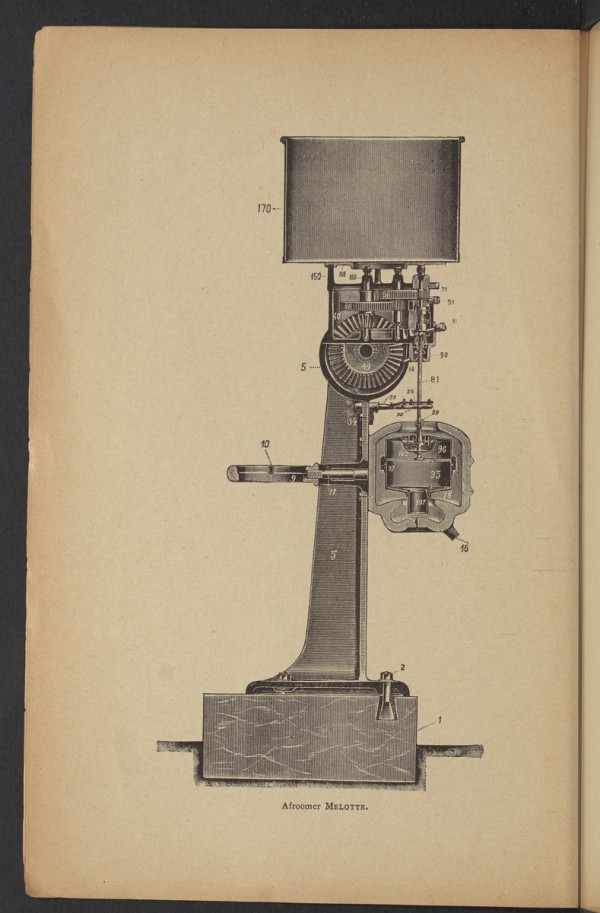
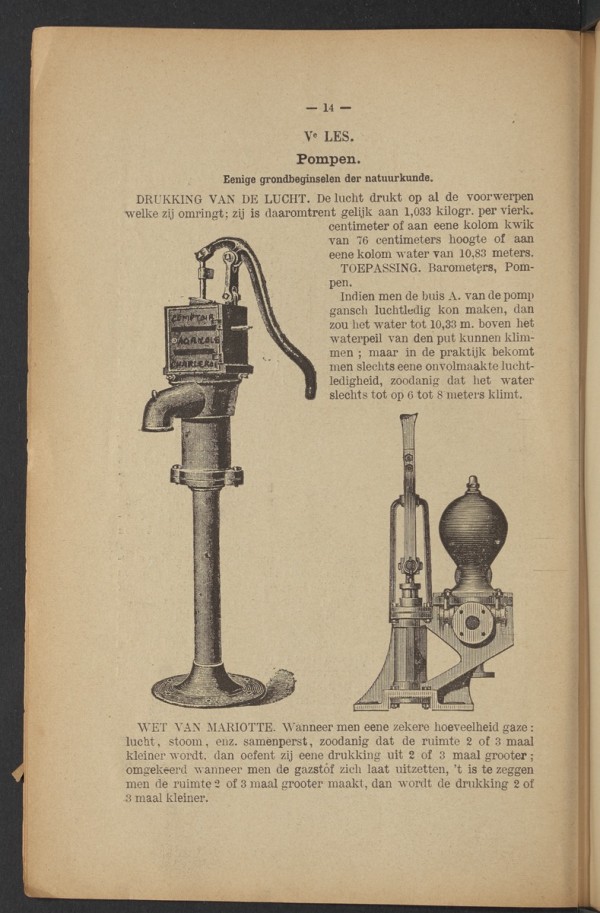
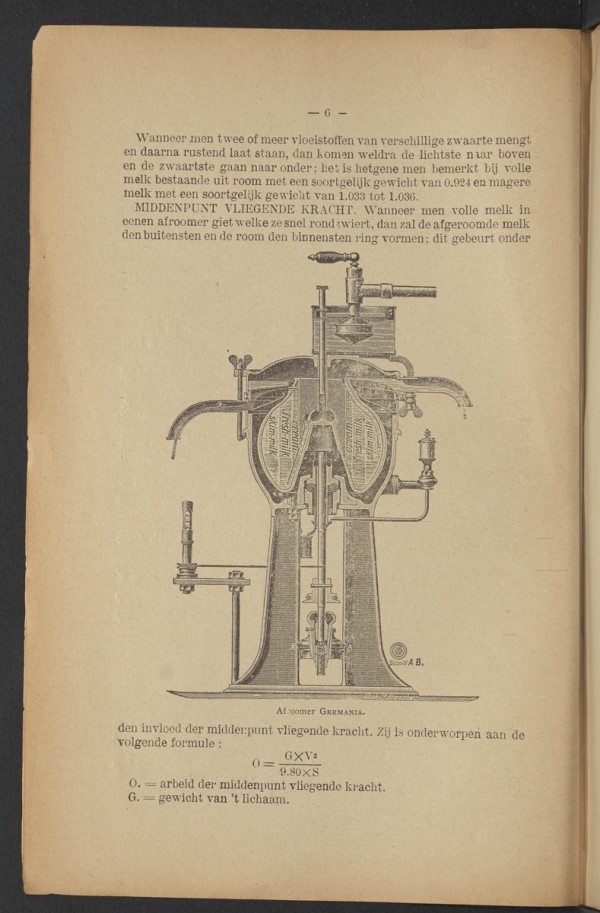
The dairy farmer also has to keep up with the times. By 1900, hand churning had been viewed as passé for decades. The cream separators that were commercially available usually worked on steam power. Their larger capacity required better storage, which is why sophisticated cooling installations were now available.To keep up with all this technological progress, the Belgian dairy farmer was supported by the agricultural schools. This branch of education was highly segregated. On the one hand, there was the State School in Gembloux (near Liège). On the other hand, there was the Agricultural Institute, affiliated with the Catholic University of Leuven. Two rival schools, for two language groups.And yet… the State Schools first distributed this crash course in French. A year later, the booklet was available in Leuven, in Dutch, because it was not only aimed at an academic audience (who could read French). The dairy worker was given a remarkable amount of information about steam power, but also a warning: “The management of steam engines should only be entrusted to smart and observant men, for great accidents can occur in a matter of seconds.”
The makers
In the good hands of
KU Leuven Bibliotheken, PRECA1189
