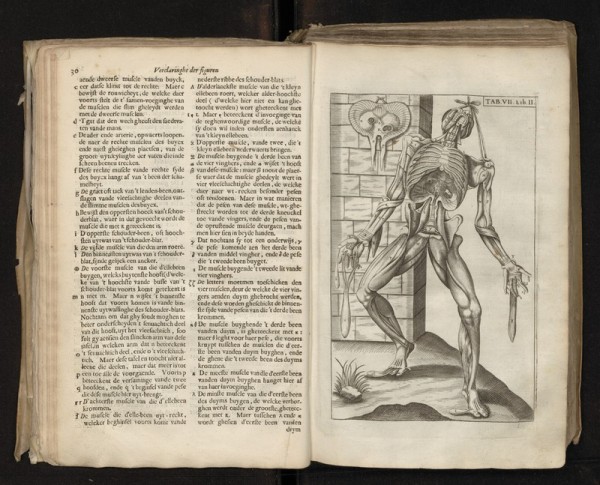
Anatomie, ofte Af-beeldinghe van de deel...
Juan Valverde de Hamusco, Andreas Vesali...
Explore the workAnatomie, ofte Af-beeldinghe van de deelen des menschelijcken lichaems
Early modern edition | 1647 - | Amsterdam | Dutch
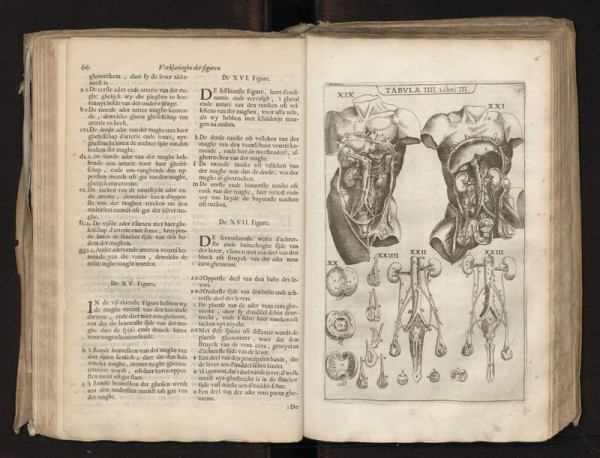
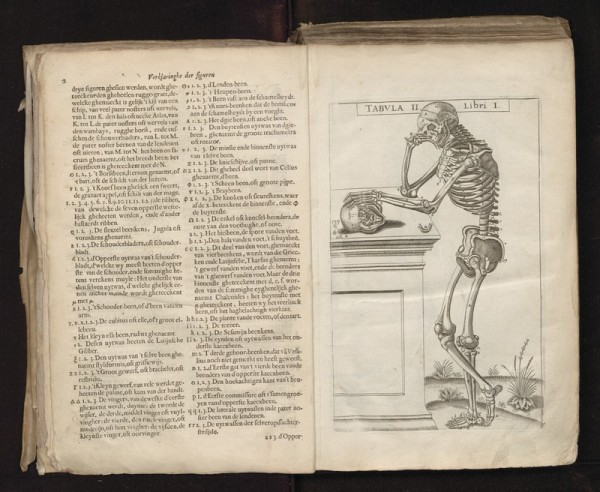
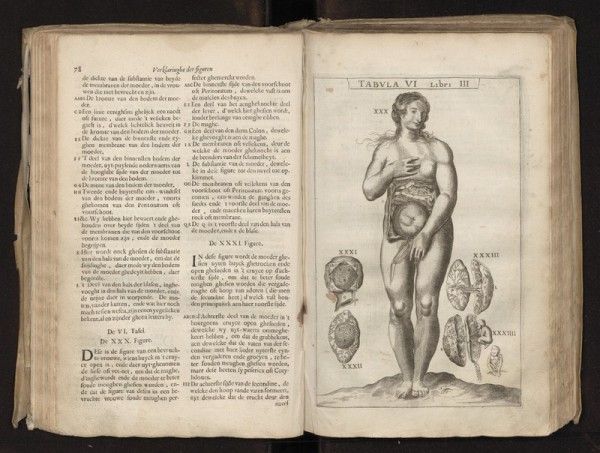
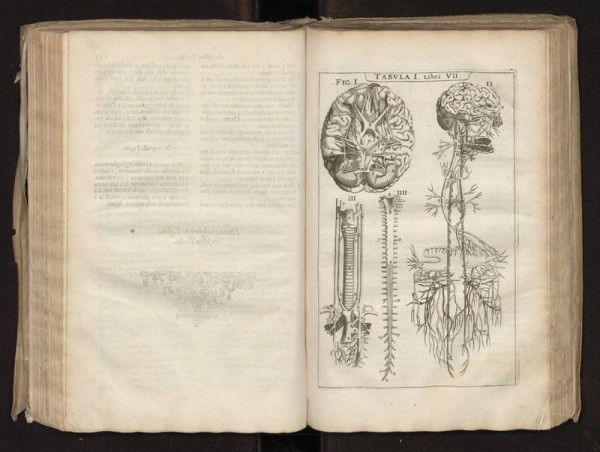
Andreas Vesalius (1514-1564) was the founder of modern anatomy. He proved that reliable medical knowledge is not found in classical texts, but through dissection of the human body. His most important work was published in 1543: De humani corporis fabrica (On the composition of the human body), a voluminous book of 690 pages with 323 woodcuts. The illustrations are the most important part of the book. A less expensive summary was published for students. Vesalius’s work immediately met with great success and the abridged version was copied by Thomas Geminus as early as 1545. He brought together a selection of Vesalius’s illustrations in forty large copper engravings. Then in 1556, the Spanish anatomist Juan Valverde de Amusco had the copper engravings of Geminus re-engraved for his Historia de la composicion del cuerpo humano, with minor improvements and a simpler and shorter text. Valverde’s cheaper, Spanish-language book was especially popular. This Dutch edition by Cornelis Danckertz from 1647 is one of twelve editions in four languages. In his foreword, Danckertz explains that he incurred significant costs in creating the book. He probably had the copper engravings remade.
From:Collection title
In the good hands of
Bibliotheek Hasselt Limburg, OD-E-0301.1
Printer's mark
More about Collection title
Collection description
