De seer wonderlijcke, schoone, triumphelijcke incompst, vanden ... prince Philips ... inde stadt van Antwerpen, anno M.CCCCC.XLIX
Early modern edition | 1550 - | Dutch
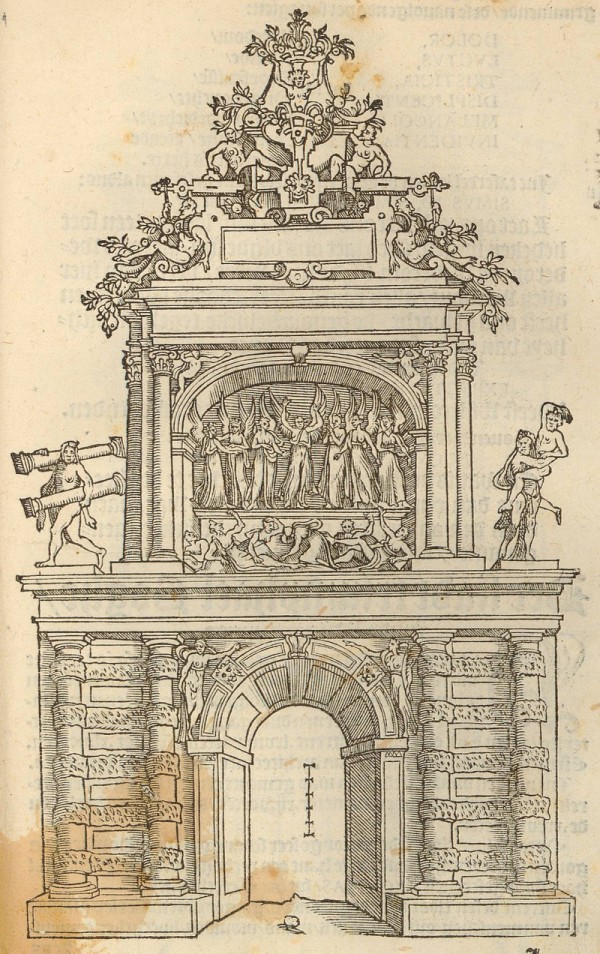
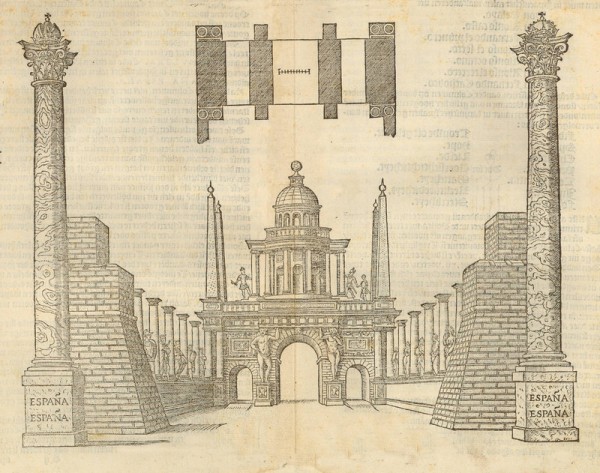
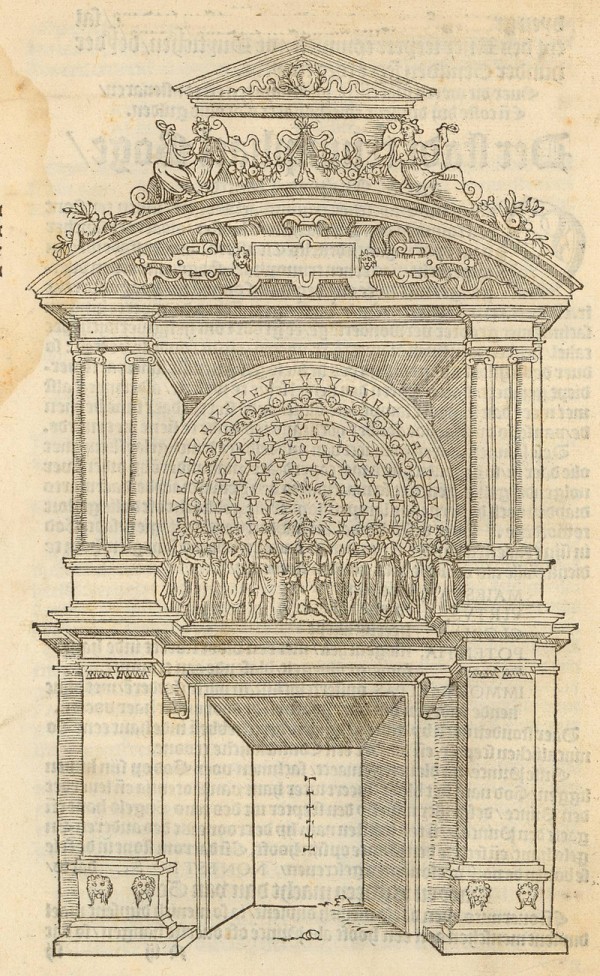
Prince Philip, the son of Emperor Charles V, made his Joyous Entry into Antwerp in 1549. Dozens of temporary triumphal arches in wood and plaster were erected throughout the city and allegorical representations reminded the prince of his duty to ensure security and prosperity. Triumphe van Antwerpen captured the occasion. The Joyous Entry had been an important ritual in the relationship between the monarch and the cities of the Southern Netherlands since the Middle Ages. In the 16th century, it evolved into a spectacle in which a city made its wishes known to the monarch using all kinds of media (theatre, architecture, painting, visual arts).
The makers
In the good hands of
Erfgoedbibliotheek Hendrik Conscience, K 7613
